

Websites that turn audience relationships into revenue.
Who you're for, what you offer, & what someone has to understand before they act get decided before anything is designed. Work out what your business should be saying, then get the website that says it.
-
Right For You If
People have a direct relationship with your business: if you closed tomorrow, they'd mind. The relationship they have with your business works, but your website is the part that hasn't kept up with it.
-
-
Not Right For You If
You already know exactly what you want built. That's a legitimate thing to buy, and people do it well. The work here starts a step earlier, while the questions are still open. If they're settled for you, you'd be paying for a conversation you've already had.
People already feel something about your business.
A web design project with Green Tree Studio turns that feeling people already have into revenue you can count on.
When your website doesn’t cultivate that feeling, you lose both.
-
When the site doesn't cultivate it
Someone who needed exactly what you offer found a business easier to understand, and paid them instead.
The funder who liked the meeting looked you up afterward and found a site that says less than you did.
The people who already love you can't explain you to anyone else, so your cheapest channel stalls at the edge of the room.
Newcomers can't tell what regulars already know, and quietly decide it isn't for them.
You end up competing on price with businesses nobody feels anything about, because nothing on the site says why you're worth more.
-
When it does
Someone who's never met you understands what you do and why it matters before they walk in, call, or give.
Your case survives being forwarded. The people deciding, who never met you, see what the people who know you already see.
Your regulars have something to send. Word of mouth stops depending on how well they can explain you.
New people find their way in without displacing the people already there. Each gets the page they came for.
You stop competing on price. What people already feel about you is finally on the page, and priced like it.
Approach
Strategy
This phase results in an outline that anchors everything else: what you stand for and how you say it, what a visitor has to understand about you in the first five to ten seconds, each of your audiences with its own goal and its own next step, the site laid out page by page, how we'll know it's working, and a short list of qualities every page has to pass before it ships.
Build
Structure and layout get settled and signed off before anything is built, where changes are cheap, rather than after the site exists. You see progress mid-build, and your own team drives the finished site for several days before anyone outside sees it. Then it goes live and it's yours: the site, the backend, and a tutorial library you keep.
Launch
In the strategy phase we wrote down how we'd know the site is working. After launching the site, the last conversation is where we decide when to come back to those numbers, check anything you've added since against the same list we built the site against, and work out what the site has to carry next as your business grows. What that's worth and what it looks like depends on what your site is for.
Relevant Projects
-
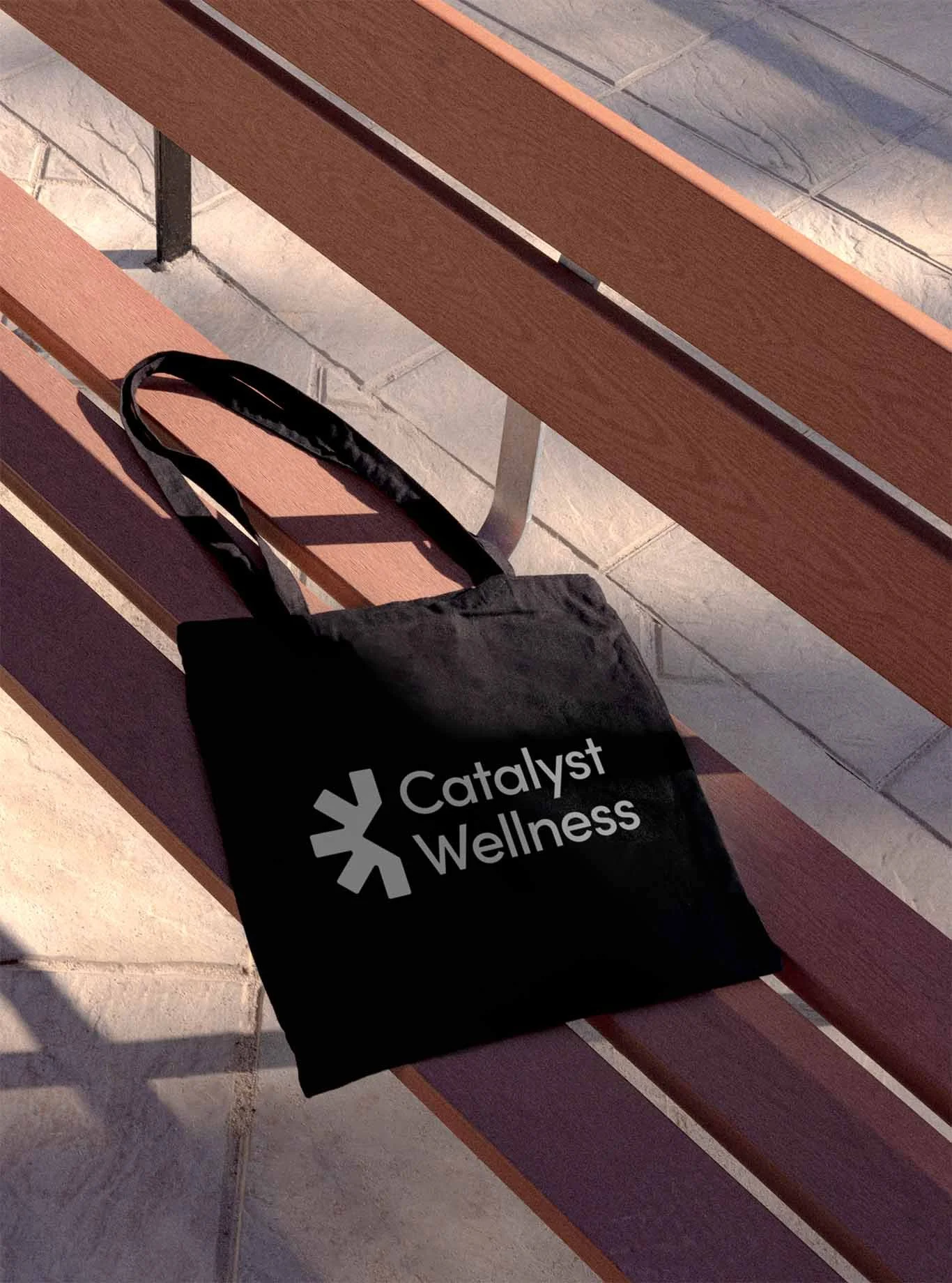
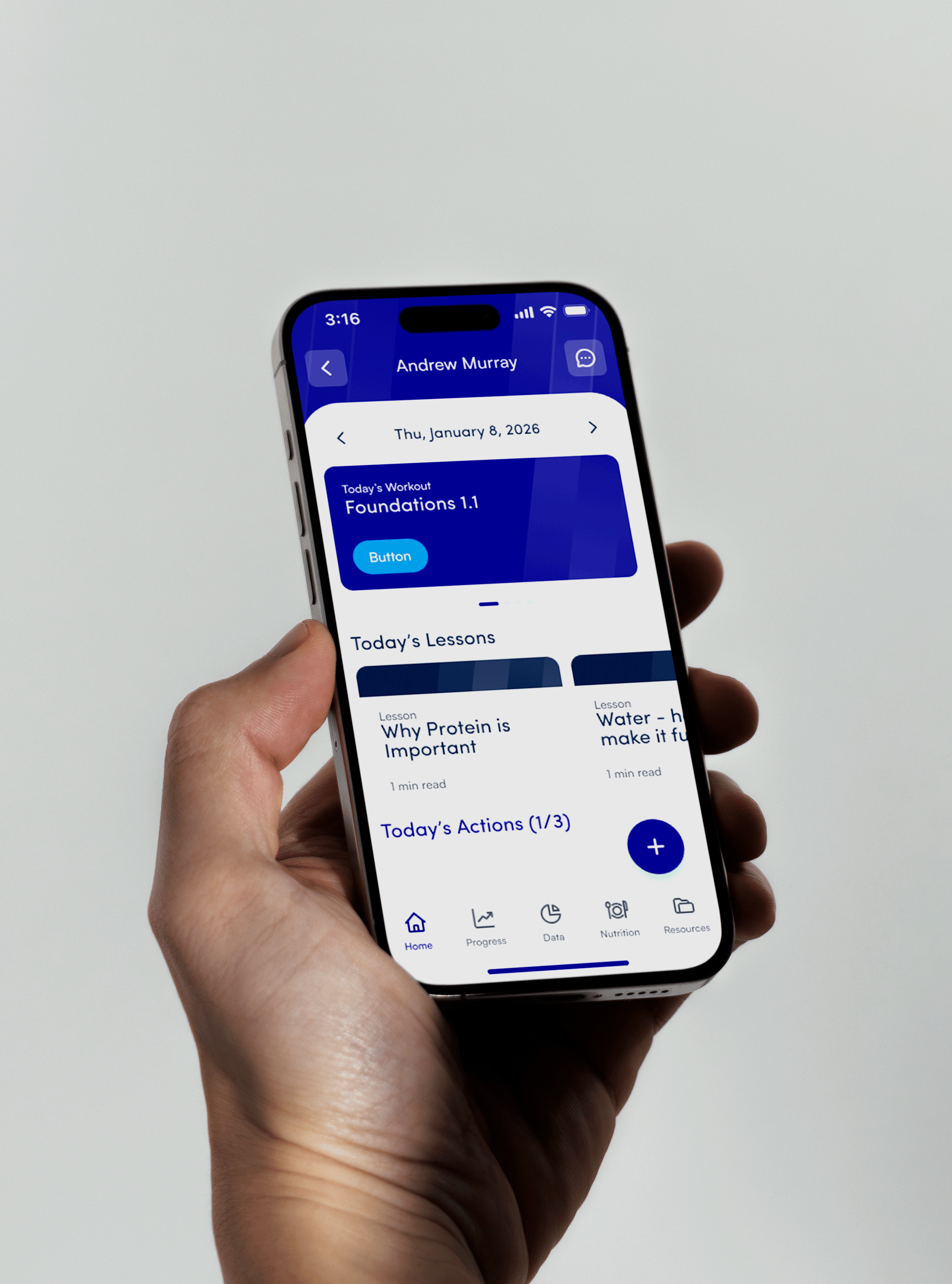
Catalyst Wellness
A returning client brought back for further work. Extended a one-to-one coaching business into corporate wellness: a platform built to carry a service line the business didn't previously sell, with a growth sequence attached to it.
-

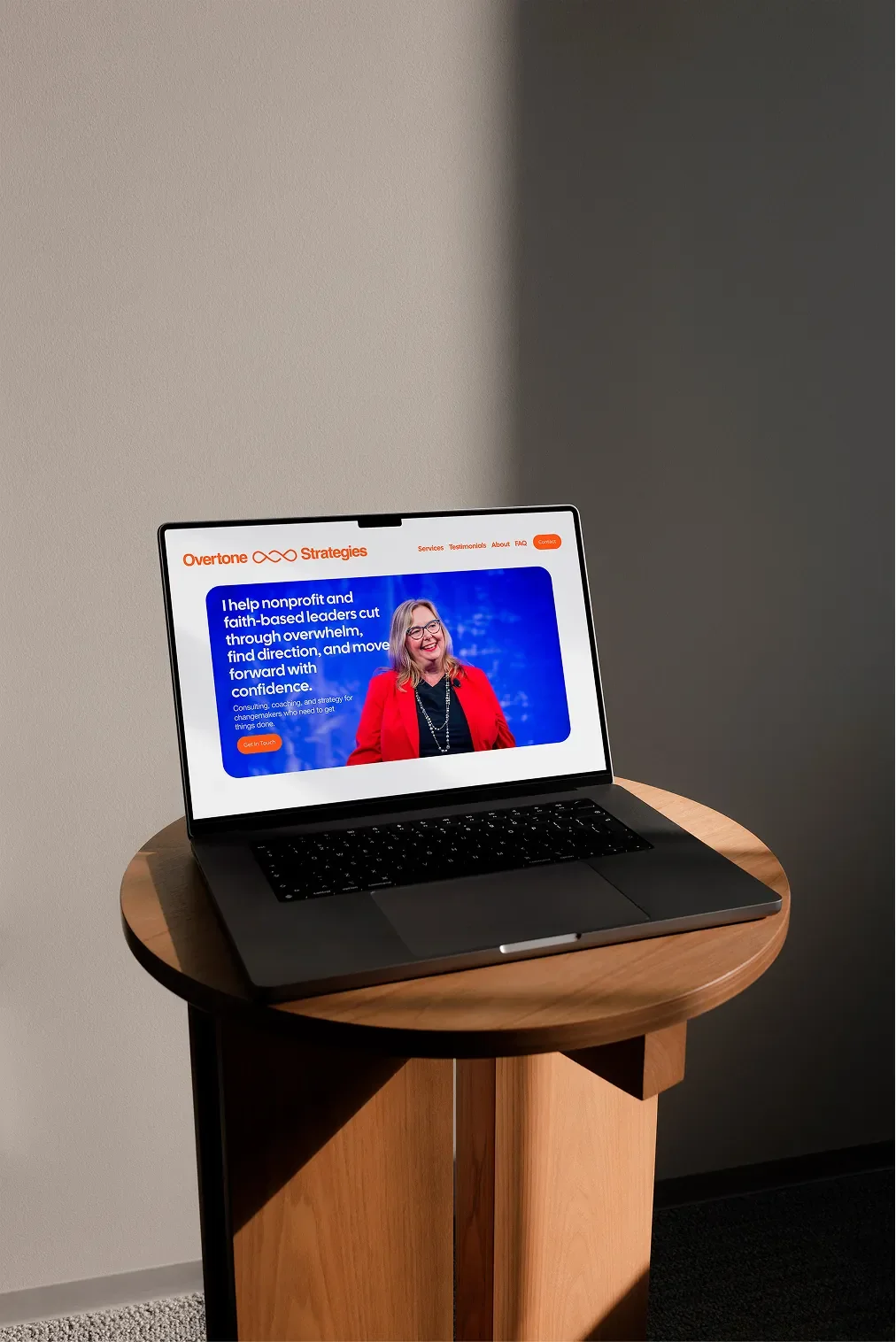
Overtone Stratgies
Brand launch; strategy and web from the ground up. Services defined clearly enough to be recognized and referred. Gave founder “clarity of services, brand recognition, and referral business” needed to scale.
Offers
Kind Words
-
![]()
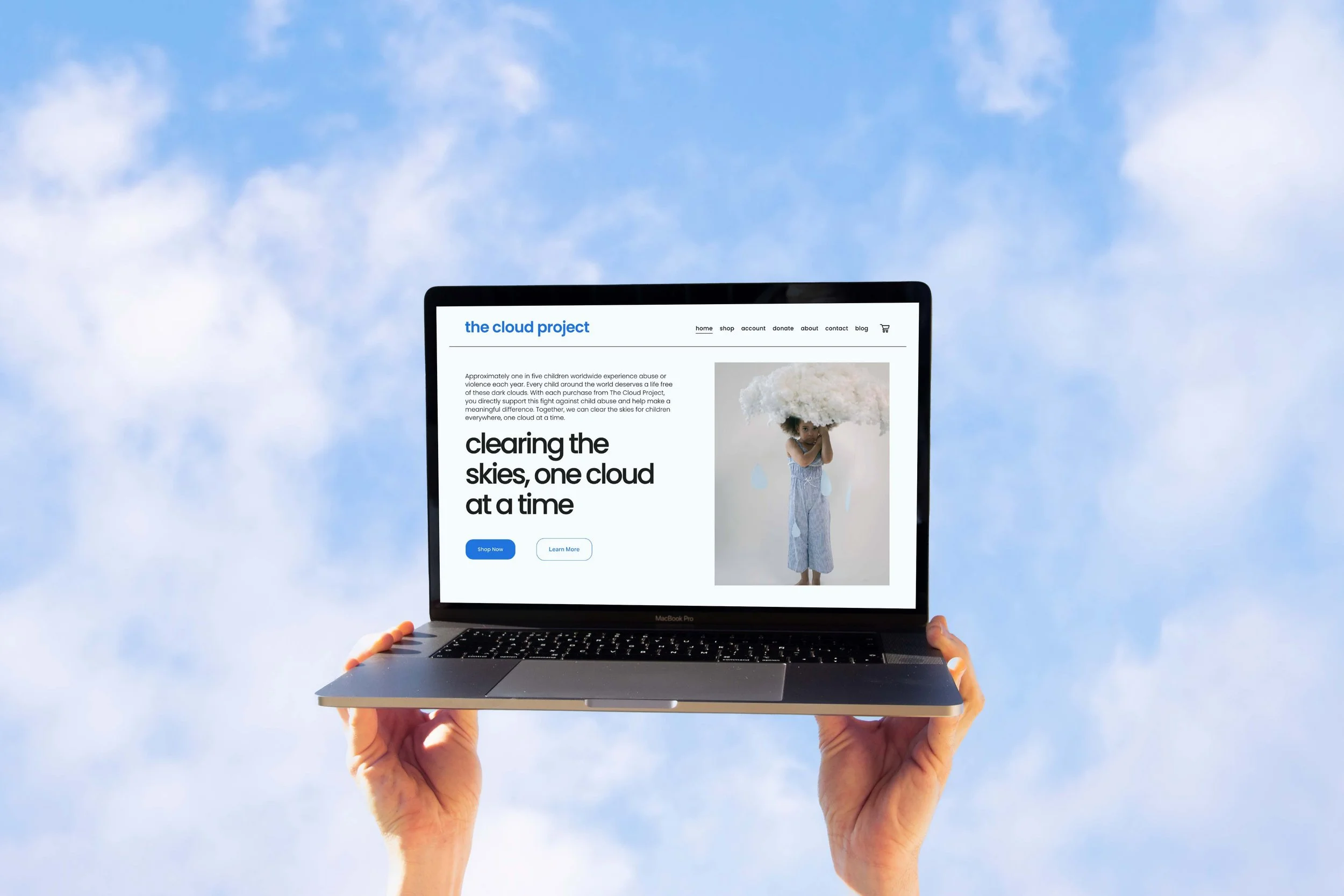
Alejandro Aceves, The Cloud Project
Working with Joshua at Green Tree Studio was the best thing I could’ve done for my business and its website. In the end, he delivered the exact vision I had in mind and helped me bring to life all the ideas I had for my brand. I literally could not imagine working with anybody else.
-
![]()
Mara Hazzard-Wallingford, Overtone Strategies
Having a strategic thought partner as I launched my brand, Josh is very easy to work with and takes time to understand what you need.
-
![]()
Kyle Sheridan, Catalyst Wellness
Josh's business mind is far greater than just a web developer's. He is a constant point of contact with genuine recommendations and is not afraid to push back on ideas that he may not see suitable, which for anyone in business is very valuable. He exceeded expectations even after we have worked together multiple times.
-
25+
Brands worked with
-
50+
Websites built
-
2 Years+
Average partnership after initial project
Previous clients include some of the best brands in Rochester & beyond




Next Steps
-
1. Inquire
Apply to work with using the link below.
-
2. Call
After I receive your application, we’ll schedule a free call where I’ll learn more about you & your unique project.
-
3. Proposal
If we’re a good fit, I’ll send you a proposal that outlines: scope, timeline, cost, start date. All custom to your project.
FAQ
-
If:
people have a direct, ongoing relationship with what you do, they'd notice and mind if you changed or disappeared and you're not interchangeable with the next option.
And you’re looking for an ongoing strategic partner, not a one-time fixed deliverable,
then yes.
-
Yes, three to twelve months and I'll tailor a schedule where the standard options don't fit.
-
Domain and hosting. Those stay yours because the site does. Clients own their websites completely, with nobody to pay for permission to edit them.
-
Each project is different, so the process is written for the project. After the discovery call you get a proposal with your specific pricing, timeline, start date and process.
-
Probably. If your identity is already connecting you to your audience, there's no reason to change it. If what you have is a logo, I'd steer you toward brand and web together because a site built on a single mark has nothing underneath it to stay consistent with.
-
Whichever one your site needs, decided in the strategy phase. Three things settle it: how the site gets maintained, what it connects to, and where the business is headed.
Squarespace, Shopify, Webflow, or something built into the systems you already run.
-
Yes. You get a library of training resources for the backend, so ordinary edits don't turn into an afternoon on YouTube.
-
It varies, and it depends on SEO — how search engines rank you. Every project ships with metadata, site tags and the structural groundwork in place. It doesn't ship with a traffic number: SEO compounds, and only if it's worked at after launch.
-
Nonprofits & community organizations are businesses whose outcomes matter to people beyond their own balance sheet. The approach doesn't change, what changes is how many audiences the site has to hold at once. A nonprofit is usually speaking to the people it serves, the people who fund it, and the people who volunteer. Three different questions, three different next steps, one homepage. Sorting that out is the strategy work, and it's most of why a mission-driven site can't just be a well-designed statement of purpose.
-
No. Most of the people I work with are the marketing team, and that's who I expect in the room. You don't need staff, a content person, or a brief written before we start. What you do need is to be the person who can decide, and to have time for the strategy phase. Being small isn't a disqualifier. Having no room for the strategic conversation is.
-
Yes, and it's a common shape. One person inside the organization carrying the work while decisions run through a director, a board, or a committee. Two things make it work: the strategy document is written to be read by people who weren't in our meetings, so you're not re-explaining decisions secondhand to a room that can overturn them. And we agree early on who signs off on what, so approvals don't land after the thing they would have changed is already built.
-
That gets decided at the end of the project rather than the start. Every engagement ends with you owning the site outright and a library of training resources, so nothing routine requires me.
Beyond that, the strategy phase defines how we'd know the site is working, and the last conversation is where we set when to come back and read those numbers, check anything you've added since against the standards we built to, and work out what the site has to carry next.
-
It's the assumption the site gets built on. Structure that leaves somewhere for the next phase of the business to go, rather than a layout that only fits what you offer today.
Small changes you make yourself. When a change is bigger than the structure can absorb, it's a strategy conversation and a scoped piece of work, not a rebuild from nothing. The strategy document gets updated first, and the site follows it. A site that can't move with the business is a site with a shelf life.